
 Image 1 of 1
INTRODUCTION ESSENTIAL OILS
Sh
INTRODUCTION: ESSENTIAL OILS CLASS
Course Overview This Introduction to Essential Oils class provides foundational knowledge and practical skills for safely and effectively using essential oils in personal care and daily wellness routines. The course covers oil origins, chemistry basics, extraction methods, safety guidelines, dilution and blending principles, common uses, and simple DIY recipes. Participants will gain confidence in selecting quality oils, reading labels, and integrating aromatherapy into beauty and self-care practices.
Who Should Attend
Beginners curious about essential oils
Beauty professionals expanding service offerings
Anyone seeking safe, informed use of oils for skin, hair, relaxation, and mood
Students preparing for advanced aromatherapy study
Learning Objectives By the end of the class, participants will be able to:
Explain what essential oils are and how they’re produced
Identify common essential oils and their typical properties and uses
Understand basic chemical constituents relevant to safety and efficacy
Apply dilution ratios and blending techniques for topical and aromatic use
Recognize contraindications, allergies, and safety considerations (including pregnancy, children, and medical interactions)
Evaluate oil quality and interpret labeling and grading claims
Create simple, safe DIY formulations for skincare, haircare, and room diffusion
Course Outline
What Are Essential Oils?
Definition and characteristics
Plant parts used (flowers, leaves, bark, rinds, roots)
Common extraction methods (steam distillation, cold pressing, solvent, CO2)
Chemistry Basics (Introductory)
Major constituent groups (terpenes, alcohols, esters, phenols, ketones)
How constituents influence aroma, skin effect, and safety
Common Essential Oils & Uses
Lavender, tea tree, peppermint, eucalyptus, lemon, frankincense, Release , rosemary, chamomile, Sage, Clove, Lemongrass and much more…
Typical properties: calming, antimicrobial, stimulating, uplifting, balancing
Safety & Contraindications
Skin irritation, sensitization, phototoxicity
Safe dilution guidelines (e.g., 0.5–5% depending on use and user)
Special populations: pregnancy, infants, children, elderly, chronic conditions
Drug interactions and when to consult healthcare providers
Quality, Sourcing & Labeling
What to look for on labels (botanical name, chemotype, country of origin, extraction method, batch/lot)
Understanding purity claims and adulteration risks
Storage and shelf life
Dilution & Blending Principles
Carrier oils and their properties
Calculating drops and percentages for safe formulations
Harmonizing top, middle, base notes in blends
Practical Applications & DIY Recipes
Simple topical formulations: soothing roll-ons, massage blends, facial serums (with safe dilution examples)
Haircare: scalp treatments and conditioning blends
Aromatic uses: room sprays, diffusing protocols, inhalers
Household: natural cleaners, linen sprays
Hands-On Demonstration (if offered live)
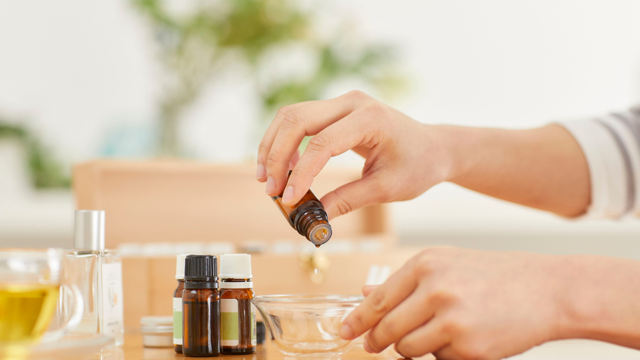
Demonstrate measuring, blending, labeling, and packaging a basic roll-on and room spray
Guided blending exercise for participants
Class Format & Materials
Format: Lecture with demonstrations; optional hands-on workshop components
Materials provided: course notes, safety reference sheet with dilution tables, sample recipes, and suggested reading list
Equipment recommended for participants (home practice): selection of 5–8 essential oils, a few carrier oils, basic blending tools (glass dropper bottles, amber roller bottles, measuring beakers), labels
Duration & Prerequisites
Duration: 2–4 hours depending on depth and hands-on time
Prerequisites: None; recommended basic knowledge of allergies and first aid
Assessment & Certification
Optional short quiz to reinforce key safety and blending concepts
Certificate of completion from Beauty Awakening Academy for attendees who complete the class
Safety Reminder Essential oils are potent botanicals. Always perform a patch test before topical use, follow recommended dilutions, discontinue use if irritation occurs, and consult a healthcare professional for medical conditions, pregnancy, or when using medications.
Enrollment Information Contact Beauty Awakening Academy to register for the next session, inquire about private group classes, or request an expanded workshop focused on advanced blending and product formula.
Sh
INTRODUCTION: ESSENTIAL OILS CLASS
Course Overview This Introduction to Essential Oils class provides foundational knowledge and practical skills for safely and effectively using essential oils in personal care and daily wellness routines. The course covers oil origins, chemistry basics, extraction methods, safety guidelines, dilution and blending principles, common uses, and simple DIY recipes. Participants will gain confidence in selecting quality oils, reading labels, and integrating aromatherapy into beauty and self-care practices.
Who Should Attend
Beginners curious about essential oils
Beauty professionals expanding service offerings
Anyone seeking safe, informed use of oils for skin, hair, relaxation, and mood
Students preparing for advanced aromatherapy study
Learning Objectives By the end of the class, participants will be able to:
Explain what essential oils are and how they’re produced
Identify common essential oils and their typical properties and uses
Understand basic chemical constituents relevant to safety and efficacy
Apply dilution ratios and blending techniques for topical and aromatic use
Recognize contraindications, allergies, and safety considerations (including pregnancy, children, and medical interactions)
Evaluate oil quality and interpret labeling and grading claims
Create simple, safe DIY formulations for skincare, haircare, and room diffusion
Course Outline
What Are Essential Oils?
Definition and characteristics
Plant parts used (flowers, leaves, bark, rinds, roots)
Common extraction methods (steam distillation, cold pressing, solvent, CO2)
Chemistry Basics (Introductory)
Major constituent groups (terpenes, alcohols, esters, phenols, ketones)
How constituents influence aroma, skin effect, and safety
Common Essential Oils & Uses
Lavender, tea tree, peppermint, eucalyptus, lemon, frankincense, Release , rosemary, chamomile, Sage, Clove, Lemongrass and much more…
Typical properties: calming, antimicrobial, stimulating, uplifting, balancing
Safety & Contraindications
Skin irritation, sensitization, phototoxicity
Safe dilution guidelines (e.g., 0.5–5% depending on use and user)
Special populations: pregnancy, infants, children, elderly, chronic conditions
Drug interactions and when to consult healthcare providers
Quality, Sourcing & Labeling
What to look for on labels (botanical name, chemotype, country of origin, extraction method, batch/lot)
Understanding purity claims and adulteration risks
Storage and shelf life
Dilution & Blending Principles
Carrier oils and their properties
Calculating drops and percentages for safe formulations
Harmonizing top, middle, base notes in blends
Practical Applications & DIY Recipes
Simple topical formulations: soothing roll-ons, massage blends, facial serums (with safe dilution examples)
Haircare: scalp treatments and conditioning blends
Aromatic uses: room sprays, diffusing protocols, inhalers
Household: natural cleaners, linen sprays
Hands-On Demonstration (if offered live)
Demonstrate measuring, blending, labeling, and packaging a basic roll-on and room spray
Guided blending exercise for participants
Class Format & Materials
Format: Lecture with demonstrations; optional hands-on workshop components
Materials provided: course notes, safety reference sheet with dilution tables, sample recipes, and suggested reading list
Equipment recommended for participants (home practice): selection of 5–8 essential oils, a few carrier oils, basic blending tools (glass dropper bottles, amber roller bottles, measuring beakers), labels
Duration & Prerequisites
Duration: 2–4 hours depending on depth and hands-on time
Prerequisites: None; recommended basic knowledge of allergies and first aid
Assessment & Certification
Optional short quiz to reinforce key safety and blending concepts
Certificate of completion from Beauty Awakening Academy for attendees who complete the class
Safety Reminder Essential oils are potent botanicals. Always perform a patch test before topical use, follow recommended dilutions, discontinue use if irritation occurs, and consult a healthcare professional for medical conditions, pregnancy, or when using medications.
Enrollment Information Contact Beauty Awakening Academy to register for the next session, inquire about private group classes, or request an expanded workshop focused on advanced blending and product formula.